


Postpartum mental health is something many new moms struggle with, yet it’s often misunderstood or pushed aside. My hope today is to gently open up this conversation — especially for moms here in Wexford, Cranberry, and across Pittsburgh — so you know you are not alone, and you’re never “wrong” for feeling the way you do. As a Wexford baby photographer and mom of 2, I meet so many new mothers and have experienced it myself, and I want this space to feel like support and encouragement during those early days.

Breaking the Stigma: It’s Time to Talk About It
Postpartum Mental Health in Pittsburgh is such an important topic to discuss
There’s a quiet pressure on new moms to feel grateful, glowing, and joyful 24/7. And while there are beautiful moments, there are also incredibly hard ones — but those rarely get talked about.
Because of this, many moms end up feeling ashamed or confused by their emotions. Society tells us we should be blissful… so when sadness, anxiety, or overwhelm show up, moms often think it’s their fault.
But it’s not your fault. Not even a little bit.
Having a baby is a huge transition — your hormones, sleep, relationships, and identity all shift at once. Feeling big emotions during that time is completely normal. The more we talk openly about postpartum struggles, the more we break the stigma and help moms feel supported rather than isolated.
Local Support Groups & Resources
- Out of the Blue: Perinatal Depression & Anxiety Support Group — Free weekly peer support for pregnant and postpartum moms.
Contact: Amy Lewis, LCSW | amy@socialemotionalchange.com | (412) 532-6622 - Center for Counseling and Conscious Healing (Cranberry Township) — Therapy, parenting support, holistic services, and classes for mothers and families.
Website: www.conscioushealingpgh.com - National Maternal Mental Health Hotline: 1-833-TLC-MAMA (1-833-852-6262) — Free, 24/7 confidential support in English & Spanish.
Understanding Postpartum Mental Health Issues: More Than Just the “Baby Blues”
Postpartum depression, postpartum anxiety, and other perinatal mood disorders can affect any new mom — even those who appear calm, prepared, or put together.
I am not a mental health professional, but based on my own experience and conversations with friends and clients, here are some common signs:
- Persistent sadness or heaviness
- Feeling hopeless or overwhelmed
- Anxiety or racing thoughts
- Irritability
- Changes in sleep or appetite
- Difficulty bonding with the baby
These signs can look different for everyone. Recognizing them early can help you or someone you love get the support they need. If any of this feels familiar, please talk with your healthcare provider or a postpartum specialist.
What Research Shows About Postpartum Mental Health in Pittsburgh
Here in Pittsburgh, we’re fortunate to have some of the country’s top maternal mental health researchers at the University of Pittsburgh and UPMC. Their work gives us a clearer understanding of what many local moms quietly experience.
Research on postpartum mental health Pittsburgh shows that:
- Sleep changes, hormonal shifts, and lack of support are three of the biggest triggers for postpartum mood disorders.
- Many North Hills families — including Wexford and Cranberry — live far from extended family, increasing isolation during newborn life.
- Moms who feel emotionally supported (by partners, friends, mom groups, or therapists) recover more quickly.
- Community connection significantly reduces the risk and severity of postpartum depression.
And here’s the hopeful part: with the right support, postpartum depression is highly treatable. Clinics at AHN, Magee, and Western Psychiatric all emphasize that early screening and compassionate care lead to better outcomes.
If you’re reading this and thinking, “This sounds like me,” please know:
You are not failing. You are not alone. And there are people right here in Pittsburgh who want to help you feel like yourself again.
The Importance of Seeking Professional Help
Feeling emotional after having a baby is normal — but when those feelings become too heavy to carry alone, professional support can make a world of difference.
Therapists, doctors, and perinatal specialists have tools specifically designed to help new moms navigate postpartum challenges. Reaching out is a sign of strength, not weakness.
Additional Local Resources
- Mpower Mental Health (Pittsburgh) — Founded by Maizee, a mom who personally experienced postpartum depression and anxiety. She brings deep compassion and clinical expertise.
Website: www.mpowermentalhealthpgh.org - National Maternal Mental Health Hotline: 1-833-TLC-MAMA — Available any time, day or night.

Strategies for Self-Care and Healing
Self-care in the postpartum period isn’t about spa days or bubble baths — it’s about grounding, connection, and finding practices that genuinely support your emotional well-being. Here are some meaningful ideas:
- Art Therapy — Express emotions through painting or drawing.
- Gardening — A calming way to connect with nature.
- Mindfulness & Yoga — Gentle movement and breath work to ease anxiety.
- Cooking or Baking Classes — A fun, creative way to reconnect with yourself.
- Animal-Assisted Therapy — Time with therapy animals can reduce stress.
- Outdoor Groups — Hiking or kayaking to boost confidence and shift perspective.
- Dance/Movement Therapy — A powerful outlet for emotional release.
- Support Groups — The Midwife Center offers postpartum groups in-person and via Zoom.
- Reading & Writing Groups — Processing your story can be incredibly healing.
- Virtual Support Communities — Perfect for moms who prefer connection from home.
Self-care isn’t about pampering. It’s about choosing practices that help you heal — and giving yourself permission to prioritize them.
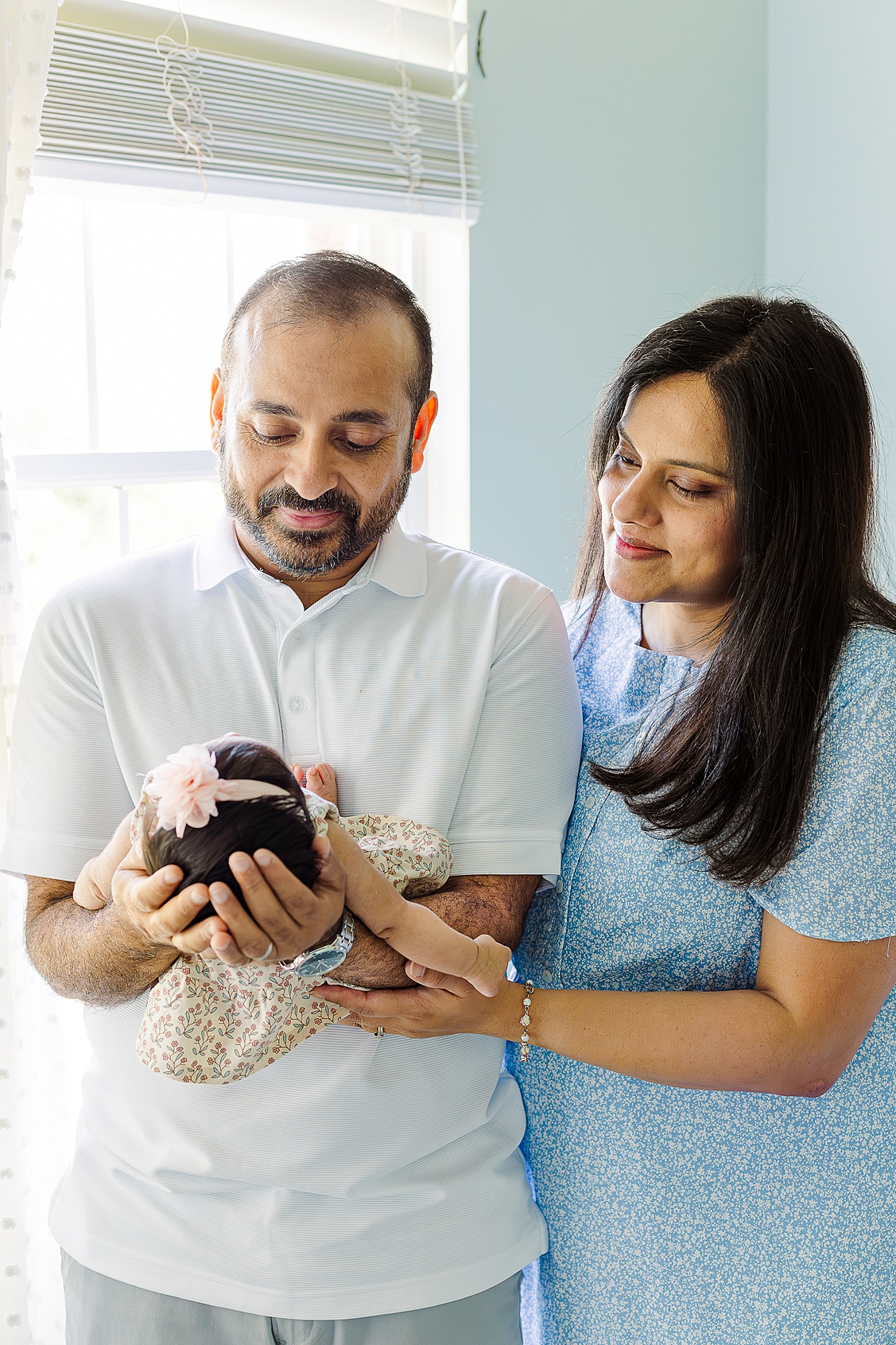
You Are Never Alone in This, please remember this!
Whether you’re planning for postpartum or currently moving through it, please know there is zero shame in asking for help. Postpartum mental health challenges are common, real, and absolutely nothing to be embarrassed about.
The more we talk about them, the more moms feel seen, supported, and understood — exactly as they deserve.
BE THE FIRST TO COMMENT